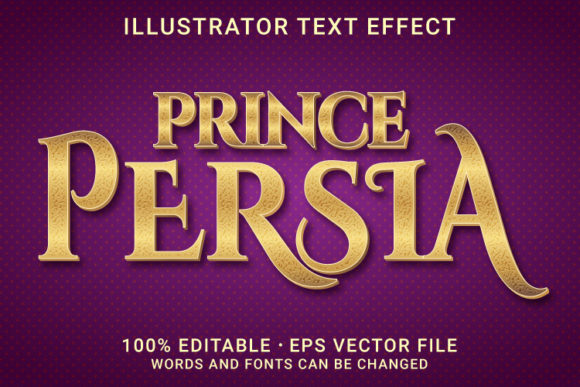
PRINCE PERSIA 3d -Editable Text Effect: Strategic Typography for Modern Projects
In the landscape of digital design, typography is rarely just about legibility; it is a primary vehicle for brand identity, emotional resonance, and visual hierarchy. For professionals ranging from freelance graphic designers to marketing directors, the ability to manipulate text quickly and effectively is a critical operational asset. This is where specialized tools like PRINCE PERSIA 3d -Editable Text Effect move beyond simple aesthetics and become strategic instruments for production efficiency.
This resource is not merely a collection of pretty fonts. It is a structured system designed to streamline the creation of high-impact typographic elements. By offering one-click application of complex 3D styles, embossed effects, and shadow layers, it addresses a common bottleneck in creative workflows: the time cost of rendering detailed text treatments manually. Understanding how to leverage this tool intentionally can significantly enhance your output quality while reducing the technical friction associated with vector illustration software.
The Strategic Value of Editable Vector Assets
Before diving into the specific features of the PRINCE PERSIA effect, it is essential to understand why editable vector assets are superior to raster-based templates for long-term projects. Many designers fall into the trap of using locked Photoshop files or static images that cannot be easily modified. While these may look good initially, they lack flexibility. If a client requests a change in wording, color palette, or scale, a non-editable asset becomes obsolete, requiring a complete rework.
PRINCE PERSIA 3d -Editable Text Effect solves this problem by providing fully editable Adobe Illustrator (AI) and EPS files. This format ensures that every layer, stroke, and gradient remains accessible. From a decision-making perspective, choosing editable assets means you are investing in scalability. You can resize text to billboard dimensions without pixelation, apply the style to any shape or compound path, and iterate rapidly based on feedback. This approach supports a more agile design process, allowing you to focus on strategy and messaging rather than technical limitations.
Core Features and Workflow Integration
The effectiveness of any design tool lies in its integration into your existing workflow. The PRINCE PERSIA bundle is engineered for ease of use, specifically targeting users who want professional results without an extensive learning curve. Below is a breakdown of the key components and how they contribute to project success.
- Adobe Illustrator File (AI) and EPS Formats: These industry-standard formats ensure compatibility across various design ecosystems. Whether you are working in Adobe Creative Cloud or another vector-compatible environment, these files remain robust. The AI file allows for deep customization, while the EPS version offers broader compatibility for print production workflows.
- One-Click Application: The standout feature of this effect is its simplicity. Instead of manually building extrusions, adding drop shadows, and adjusting bevels, you can apply the entire style with a single action. This reduces the cognitive load on the designer, freeing up mental energy for higher-level tasks such as layout composition and brand consistency checks.
- High-Resolution Image Previews: Included JPG previews allow for quick assessment before purchase or implementation. This helps in planning sessions where stakeholders need to visualize potential outcomes without opening heavy vector files.
- Shape and Path Compatibility: The effect is not limited to standard text boxes. It can be applied to any shape or compound path. This versatility is crucial for creating custom logos, icons, or decorative elements that require a unified 3D aesthetic.
Practical Applications Across Industries
To determine if PRINCE PERSIA 3d -Editable Text Effect is right for your next project, consider where 3D typography adds value. The style described—modern, bold, embossed, and creative—fits several distinct use cases.
Marketing and Advertising
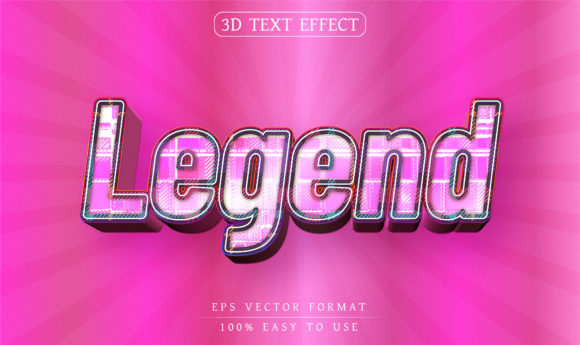
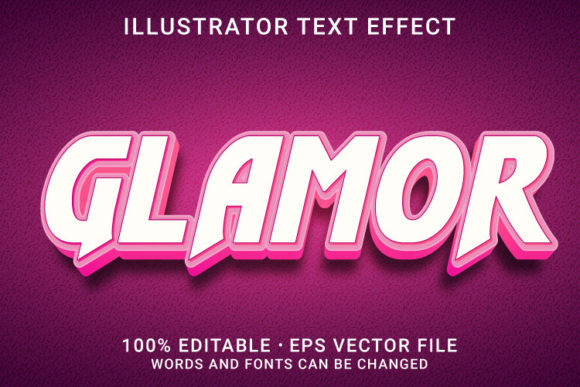
In poster design and web banners, headlines must grab attention instantly. A subtle flat font might get lost in a crowded feed, but a well-executed 3D effect with strong shadows creates depth and draws the eye. Use this effect for promotional campaigns, event posters, or social media graphics where visual impact is paramount. The "retro" and "cartoon" variations within the style set can add personality to brands aiming for a playful or nostalgic tone.
Branding and Identity
For small business owners and entrepreneurs, consistency is key. Using a predefined, editable text effect ensures that all collateral—from business cards to website headers—shares a cohesive typographic language. Because the text is editable, you can maintain the exact same visual weight and style across different words and phrases, reinforcing brand recognition without manual intervention.
Educational and Publishing Materials
Educators and publishers often need to create engaging materials that hold the reader's interest. Headlines in e-books, worksheets, or presentation slides benefit from the clarity and emphasis provided by 3D lettering. The ability to resize to big dimensions ensures that text remains readable on large projection screens or printed handouts.
Planning and Implementation Strategy
Having access to powerful tools is only half the equation. To achieve better results, you must approach the use of PRINCE PERSIA 3d -Editable Text Effect with intentionality. Here is a practical framework for integrating these assets into your projects.
- Define the Objective: Before applying the effect, ask what message needs to be conveyed. Is the goal to emphasize urgency? Create a fun atmosphere? Or establish authority? The 3D style should support this goal, not distract from it. Overusing complex effects can lead to visual clutter, so reserve them for key headlines or call-to-action elements.
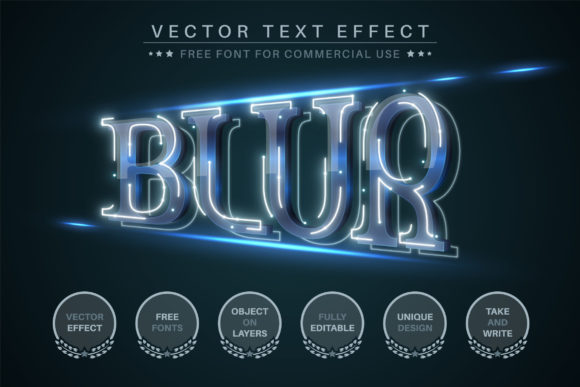
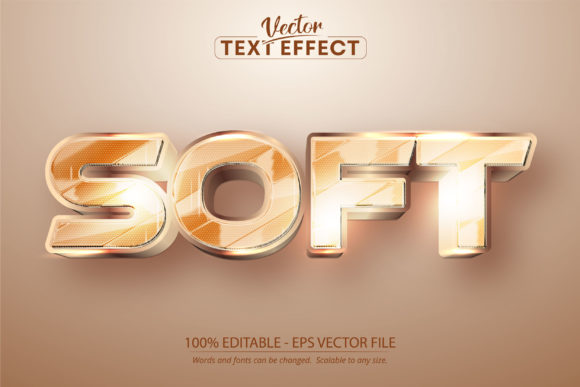
- Select the Right Variation: The template includes various styles such as "Funny," "Modern," and "Shadow." Match the variation to the context. A modern, clean 3D effect works well for tech startups, while a bolder, retro style might suit a music festival or vintage clothing brand.
- Maintain Readability: Even with impressive effects, legibility is non-negotiable. Ensure sufficient contrast between the text and the background. When applying the effect to shapes, verify that the resulting form does not obscure the underlying content. Test your designs at actual display sizes to catch issues early.
- Leverage Editability: Take advantage of the fact that the text is fully editable. Experiment with different typefaces within the constraints of the effect. Sometimes, swapping a serif font for a sans-serif one can completely change the mood of the piece. Use the "one-click" feature to rapidly prototype different combinations.
Risks and Considerations
No tool is without its limitations. Relying too heavily on pre-made effects can sometimes lead to generic-looking designs if not customized properly. The risk of "template fatigue" exists when many competitors use the same asset without modification. To mitigate this, treat the PRINCE PERSIA effect as a foundation, not the final product. Add unique elements, adjust colors to match your specific brand guidelines, and combine it with original imagery or illustrations.
Additionally, consider the file size implications. High-resolution vector files with multiple layers can increase the complexity of your master document. Keep your workspace organized by naming layers clearly and grouping related elements. This practice is particularly important for freelancers and agencies working in teams, where clear organization ensures smooth handoffs and future edits.
Conclusion
The PRINCE PERSIA 3d -Editable Text Effect represents a smart investment for anyone looking to elevate their typographic output without sacrificing speed. By combining the power of vector editability with the visual punch of 3D styling, it bridges the gap between creativity and efficiency. Whether you are designing a poster, updating a website, or refining your brand’s visual voice, this tool offers the flexibility to adapt to changing needs.
Success with this asset comes from thoughtful application. Use it to highlight key messages, create visual interest, and maintain consistency across your projects. By understanding its capabilities and respecting the principles of good design—clarity, relevance, and audience engagement—you can transform a simple text effect into a powerful component of your overall communication strategy. Remember, the best designs are not just those that look good, but those that communicate effectively. Let this tool help you say more with less effort.