The Human Touch in a Digital Age: How Gregory Handwritten Is Redefining Visual Communication
In an era dominated by algorithmic feeds, automated content generation, and sterile corporate aesthetics, there is a palpable shift occurring within the creative industries. Consumers are no longer just looking for information; they are seeking connection. They want to feel that a message was crafted with intention, care, and a distinct human voice. This desire for authenticity has given rise to a resurgence in typography that mimics the organic imperfections of human handwriting. Leading this charge is Gregory Handwritten, a typeface that does more than simply replicate script—it captures the nuance of personal expression.
For professionals, entrepreneurs, and designers, the choice of typography is no longer merely an aesthetic decision; it is a strategic one. Fonts like Gregory Handwritten offer a solution to the growing problem of digital fatigue. By introducing the warmth of analog creation into digital workflows, brands can bridge the gap between technology and emotion. This article explores why this specific font family is gaining traction among creators and how it aligns with broader trends in branding, user experience, and consumer behavior.
Understanding the Typography of Trust
To understand the value of Gregory Handwritten, one must first understand the psychology behind handwritten text. Studies in marketing and psychology have long suggested that handwritten notes trigger a different emotional response than printed text. The irregularities in stroke weight, the slight variations in letter spacing, and the unique flow of ink on paper signal effort and personal investment. In a business landscape where trust is the currency of conversion, these signals are invaluable.
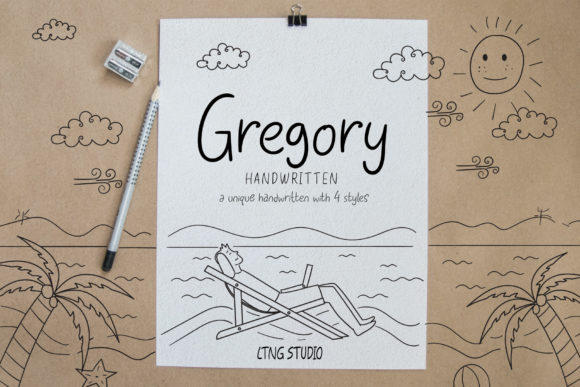
Gregory Handwritten is designed to capitalize on this psychological advantage. It is not a single style but a unique handwritten font family that offers versatility without sacrificing character. Unlike rigid serif or sans-serif fonts that can sometimes feel distant or authoritative, this typeface invites the viewer in. It suggests a conversation rather than a lecture. For freelancers and small business owners, who often rely on building personal relationships with clients, having access to such a versatile tool is crucial for establishing a brand identity that feels approachable yet professional.
The Technical Edge: PUA Encoding and Glyph Swashes
One of the primary reasons designers are gravitating toward Gregory Handwritten is its technical sophistication. Many handwritten fonts suffer from limited character sets or poor kerning, making them difficult to use in real-world projects. However, Gregory Handwritten is PUA encoded. This means that all glyphs, including alternate characters and decorative swashes, are accessible through the Private Use Area of Unicode.
This feature is a game-changer for workflow efficiency. Instead of relying on external software plugins or complex workarounds to insert special characters, designers can access every variation directly within their standard editing tools. This ease of access allows for:
- Rapid Prototyping: Designers can quickly test different looks by swapping standard letters for swashes without leaving their design environment.
- Precision Control: Users can play with letter spacing and alternate glyphs to get different looks, tailoring the tone of the message from playful to elegant.
- Consistency: Because the font is fully encoded, the visual integrity remains consistent across various platforms, from web headers to print materials.
For developers and marketers who need to ensure cross-browser compatibility, this technical robustness reduces friction. It ensures that the "handwritten" feel is preserved whether the customer is viewing a wedding invitation on a high-resolution desktop monitor or a greeting card preview on a mobile device.
Aligning with Market Trends: The Demand for Personalization
The rise of Gregory Handwritten is not an isolated phenomenon; it is part of a larger movement toward hyper-personalization in consumer goods and services. Today’s consumers expect brands to speak to them as individuals. Generic templates are increasingly viewed as spammy or impersonal. In contrast, designs that appear handcrafted—even if they are digitally produced—carry a weight of exclusivity.
Wedding and Event Industry Applications
Nowhere is this trend more visible than in the wedding and event industry. Couples are moving away from traditional, formal invitations in favor of designs that reflect their personal stories. Gregory Handwritten is perfectly suited for branding wedding invitations because it strikes a balance between legibility and artistic flair. The font’s ability to convey sweetness and formality simultaneously allows designers to create pieces that feel both celebratory and sophisticated.
Consider a scenario where a couple wants to incorporate a quote from their relationship into their save-the-date cards. Using a standard sans-serif font might render the quote cold and clinical. Using Gregory Handwritten, however, transforms that quote into a memory. The alternate glyphs allow for creative flourishes on initial letters, adding a touch of elegance that resonates with guests. This level of detail enhances the perceived value of the product, justifying premium pricing for stationery designers and printers.
Educational Content and Children’s Media
Beyond events, the educational sector is another key area where Gregory Handwritten finds relevance. As digital learning becomes more prevalent, educators are struggling to maintain engagement. Textbooks and e-learning modules that look too much like code or legal documents can disengage young learners. Children’s books and educational materials benefit immensely from the playful nature of this font family.
The font’s natural curves and friendly appearance help reduce cognitive load for early readers. When combined with colorful illustrations, the typography supports the narrative rather than competing with it. For publishers and self-publishing authors, using a font that encourages literacy and joy can be a significant competitive advantage. It signals to parents and educators that the content is designed with the child’s experience in mind.
Practical Applications for Freelancers and Entrepreneurs
For the modern freelancer, the ability to adapt quickly to client needs is essential. Gregory Handwritten offers a wide range of applications that can expand a designer’s service offerings. Whether you are a social media manager creating engaging posts for a boutique brand or a graphic designer working on packaging for a new skincare line, this font provides the flexibility needed to meet diverse briefs.
DIY Projects and Craft Business
The DIY (Do-It-Yourself) market continues to grow, driven by platforms like Etsy and Pinterest. Crafters and small business owners often use fonts to create custom labels, tags, and merchandise. Gregory Handwritten is ideal for DIY projects because it adds a layer of professionalism to handmade items. A jar of homemade jam labeled with a clean, typed font may look mass-produced. The same label, rendered in Gregory Handwritten, tells a story of artisanal care and quality.
Furthermore, the font’s accessibility via PUA encoding means that even users with limited technical skills can achieve high-quality results. There is no need to hunt for third-party plug-ins or worry about licensing complications regarding glyph availability. This democratization of design tools empowers non-designers to create polished, market-ready materials.
Sweet Greeting Cards and Emotional Marketing
Emotional marketing relies on evoking specific feelings at critical moments in the customer journey. Sweet greeting cards are a prime example. Whether it is a birthday wish, a thank-you note, or a holiday message, the medium of the card is deeply personal. Brands that send physical mailers or digital greetings using Gregory Handwritten stand out in crowded inboxes and mailboxes.
The font’s subtle variations prevent it from feeling repetitive. By playing with letter spacing, marketers can adjust the density of the text to fit different layouts, ensuring that the message breathes well visually. This attention to typographic detail reinforces the brand’s commitment to quality and thoughtfulness.
Looking Forward: The Future of Handwritten Typography
As we move further into the digital age, the tension between automation and humanity will only intensify. Artificial intelligence can generate copy, images, and even code, but it cannot genuinely replicate the human hand. Therefore, the value of typography that mimics human imperfection will likely increase. Gregory Handwritten positions itself at the forefront of this trend by offering a tool that bridges the gap between digital efficiency and analog soul.
Designers and marketers should view fonts like Gregory Handwritten not just as decorative elements, but as strategic assets. They are instruments for building trust, enhancing readability, and conveying brand personality. As consumer expectations continue to evolve, the ability to communicate with warmth and authenticity will become a key differentiator in the marketplace.
Conclusion
In conclusion, Gregory Handwritten represents more than just a typeface; it represents a response to the modern desire for genuine connection. Its technical features, such as PUA encoding and extensive glyph sets, make it a practical choice for professionals who demand both beauty and functionality. From wedding invitations to children’s books, from DIY crafts to corporate branding, this font family offers the versatility needed to succeed in a crowded digital landscape.
For those looking to add a human touch to their work, exploring the capabilities of Gregory Handwritten is a step toward creating designs that resonate. By leveraging the power of handwritten aesthetics, creators can transform ordinary communications into memorable experiences. In a world of noise, the quiet confidence of a well-crafted handwritten note speaks volumes.
Whether you are a seasoned designer refining your toolkit or an entrepreneur launching your first brand, integrating Gregory Handwritten into your workflow can elevate your output. It is a reminder that even in the most digital of mediums, the human element remains the most powerful tool we have. Embrace the variability, explore the swashes, and let the authenticity of the hand guide your design decisions.