Half Leopard Font Evaluation
Selecting the right digital asset for a creative project requires more than just aesthetic preference; it demands technical compatibility and format versatility. The Half Leopard Font represents a specific intersection of bold visual style and practical utility, particularly for crafters and designers who rely on cutting machines and vector software. This evaluation explores the features, file formats, and software integrations associated with this font to help users determine if it aligns with their specific workflow needs.
Understanding the Half Leopard Font Aesthetic
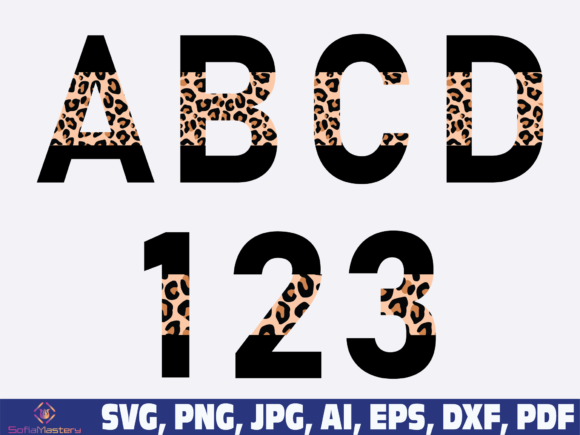
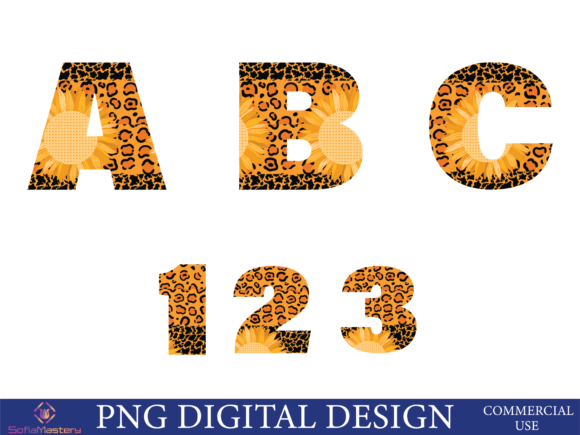
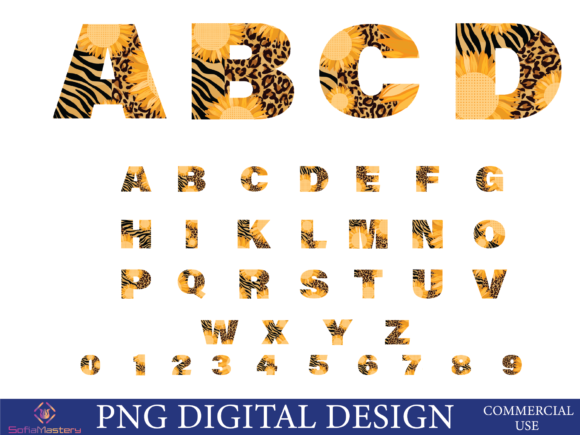
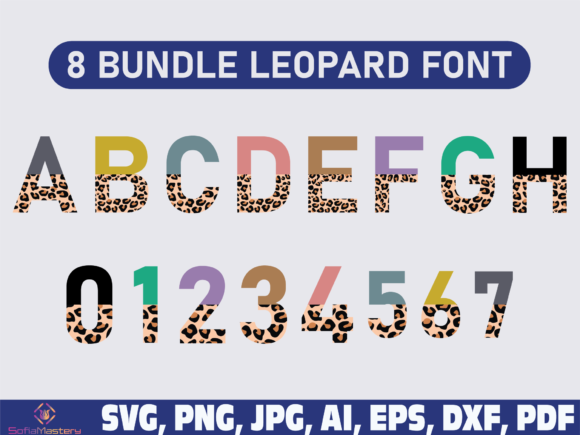
The Half Leopard Font is characterized by its distinctive typographic structure. As the name suggests, it incorporates elements reminiscent of leopard print patterns or textures within the letterforms themselves, or utilizes a split-half design that creates a unique visual rhythm. This style appeals to users looking to add a touch of wildness, luxury, or edgy flair to their designs without resorting to generic clip art. It is often used in sublimation projects, t-shirt designs, decals, and home decor items where high-contrast, eye-catching typography is required.
Unlike standard serif or sans-serif fonts, the Half Leopard Font serves as both text and texture. This dual nature makes it a powerful tool for branding and personalization but also introduces specific considerations regarding readability and application scale. Users must evaluate whether the intricate details of the font will translate well to their chosen medium, whether that be a small sticker or a large banner.
File Format Versatility and Software Compatibility
One of the primary advantages of the Half Leopard Font package is its comprehensive inclusion of multiple file formats. Digital assets are rarely one-size-fits-all; different software ecosystems require different data structures. The availability of SVG, DXF, PNG, PDF, AI, JPG, and EPS formats in a single zipped folder significantly reduces friction for users working across various platforms.
Vector Formats for Cutting Machines
For crafters utilizing electronic cutting machines, vector files are essential because they allow for precise scaling without loss of quality. The Half Leopard Font includes both SVG and DXF formats, catering to different tiers of machine software.
- SVG (Scalable Vector Graphics): This is the preferred format for modern cutting software. The SVG files included with the Half Leopard Font are compatible with Cricut Design Space, Silhouette Designer Edition, Make the Cut (MTC), Sure Cuts A Lot (SCAL), and Brother ScanNCut Canvas. These programs interpret the vector paths to guide the blade or cutter along the exact contours of the letters. If you own a Cricut or Silhouette with advanced editing capabilities, the SVG format offers the most flexibility for resizing and arranging designs.
- DXF (Drawing Exchange Format): The DXF file provided ensures accessibility for users of Silhouette Basic Edition and other entry-level software that may not fully support SVG features. While slightly older technology, DXF remains a robust standard for simple cut lines. Including this format broadens the potential user base, ensuring that even those with basic hardware can utilize the Half Leopard Font effectively.
Design and Editing Formats
Professional designers and hobbyists who use desktop publishing or illustration software will benefit from the inclusion of AI, EPS, and PDF formats.
- EPS and AI: Encapsulated PostScript (EPS) and Adobe Illustrator (AI) files are industry standards for vector graphics. They are fully editable in CorelDraw, Inkscape, and Adobe Illustrator. These formats allow users to manipulate individual nodes, change colors, and combine the Half Leopard Font with other graphic elements seamlessly. For users creating complex logos or multi-layered designs, these native vector files provide the highest level of control.
- PDF: The Portable Document Format included in the zip folder serves a dual purpose. It acts as a backup vector source and is ideal for high-quality printing. Since PDFs preserve layout and resolution, they are suitable for sending designs to professional print shops or for creating physical mockups.
Raster Formats for Quick Use
Not every task requires vector precision. The package includes PNG and JPG files, which serve different functional roles.
- PNG (Portable Network Graphics): The PNG files feature transparent backgrounds, making them easy to overlay onto other images or designs without a white box surrounding the text. This is particularly useful for social media graphics, watermarks, or quick sublimation transfers where vector editing is unnecessary.
- JPG (Joint Photographic Experts Group): As a standard photo file, the JPG version is universally compatible. However, unlike the PNG, it typically has a solid background. This format is best suited for simple prints or when the background color matches the substrate being printed on.
Practical Considerations and Tradeoffs
While the Half Leopard Font offers extensive format support, users should consider several factors before purchasing or downloading.
Readability vs. Decoration
The decorative nature of the Half Leopard Font means it may not be suitable for body text or long-form reading. Its strength lies in headlines, titles, and short phrases. When evaluating this font, consider the length of the text. Long sentences may become difficult to decipher due to the complex internal patterns of the letters. It is best employed for impact rather than information density.
Resolution and Scaling
When using the raster formats (PNG/JPG), always check the resolution. If the image is too small, it will pixelate when enlarged. Conversely, the vector formats (SVG/DXF/AI/EPS) can be scaled infinitely. For large-format projects like vehicle wraps or wall murals, relying on the vector files is crucial to maintaining sharp edges. Users should ensure their software supports the specific vector version included in the download.
Software Limitations
Although the DXF file supports Silhouette Basic Edition, some advanced features of the Half Leopard Font—such as layered effects or complex internal cuts—might not translate perfectly into all basic software environments. It is advisable to test the file in your specific software version before committing to a large production run. Similarly, while Inkscape is free and powerful, importing complex AI or EPS files can sometimes result in unexpected node placements, requiring minor cleanup.
Who Is This Font For?
The Half Leopard Font is a strong fit for:
- Craft Enthusiasts: Individuals who use Cricut, Silhouette, or Brother machines regularly and need versatile files that work across different software tiers.
- Small Business Owners: Those creating branded merchandise, such as apparel, mugs, or stickers, who need both print-ready and cut-ready assets.
- Graphic Designers: Professionals looking for a unique typographic element to incorporate into larger compositions, especially those using CorelDraw or Illustrator.
However, alternatives may be worth considering if:
- You need clean, minimalist typography for corporate branding.
- Your workflow is strictly limited to mobile apps that do not support file uploads.
- You require a font that maintains high legibility at very small sizes.
Conclusion
The Half Leopard Font provides a robust solution for users seeking a distinctive, textured typographic style. Its inclusion of nearly every major digital format—from cutting-machine-specific SVGs and DXFs to professional vectors like AI and EPS—makes it a highly adaptable asset. By understanding the strengths of each format and matching them to the appropriate software, users can maximize the utility of this font. Whether used for a quick social media post via PNG or a detailed vinyl cut via SVG, the Half Leopard Font offers a balanced mix of aesthetic appeal and technical functionality.