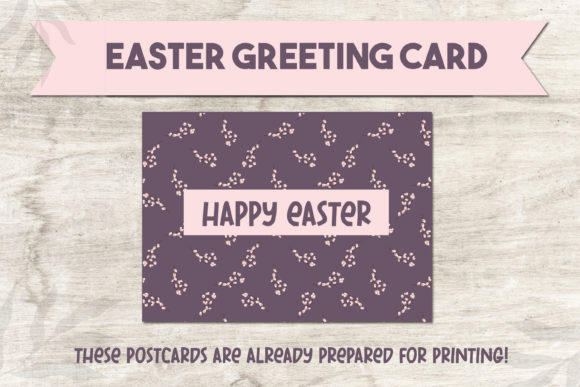
Easter Printable Greeting Card
In the modern digital workflow, where communication is often instantaneous and ephemeral, there remains a distinct value in tangible, physical artifacts. For professionals, creators, and small business owners who manage personal branding or community engagement, the ability to produce high-quality printed materials on demand is a significant operational advantage. The Easter Printable Greeting Card represents a strategic asset in this domain, bridging the gap between digital design flexibility and physical presentation. It is not merely a static image file; it is a comprehensive, editable template designed for integration into broader creative and administrative processes.
This product is engineered for users who require precision, consistency, and ease of use. Whether you are an educator preparing classroom activities, a marketer sending seasonal updates to clients, or a freelancer managing client relationships, having a reliable, customizable asset saves time and ensures brand coherence. The card serves as a focal point in your spring holiday outreach, allowing you to convey warmth and professionalism without the overhead of hiring a graphic designer for every iteration.
Understanding the Asset Structure
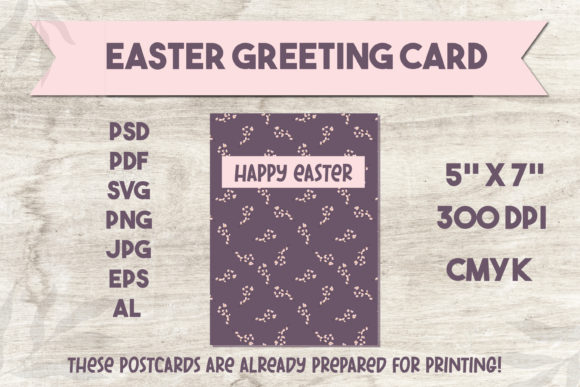
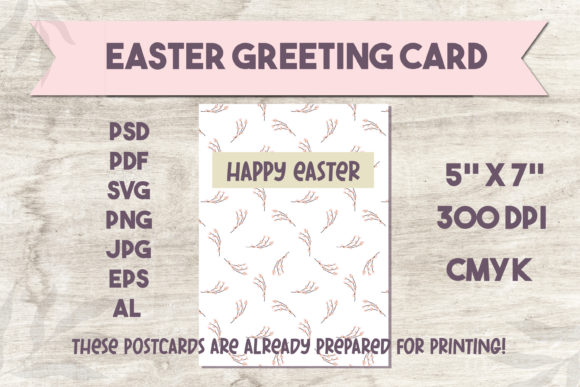
To effectively integrate this greeting card into your workflow, it is essential to understand the technical specifications that define its usability. The product is delivered as a single ZIP file containing seven distinct file formats: EPS Version 10, AI (Illustrator) Version 10, PNG with a transparent background, JPG, SVG, PDF, and PSD (Photoshop) structured and signed on layers. This multi-format approach is critical for compatibility across different software environments and printing requirements.
The core dimensions of the card are 5 x 7 inches, which translates to 1576 x 2176 pixels at a resolution of 300 dpi. This resolution is the industry standard for high-quality print output, ensuring that text remains crisp and images do not pixelate when scaled for physical production. Additionally, the inclusion of 0.25-inch bleeds on each side is a vital detail for professional printing. Bleed refers to the area beyond the trim line that allows for safe cutting without leaving white edges. By providing files with pre-set bleeds, the product eliminates the need for manual adjustment in most design software, reducing the risk of formatting errors during the final export stage.
The CMYK color space designation further underscores its readiness for print. While screens display color in RGB (Red, Green, Blue), printers use CMYK (Cyan, Magenta, Yellow, Key/Black). Many digital-only templates cause color shifts when printed because they default to RGB. By providing assets optimized for CMYK, this product ensures that the colors you see on screen align more closely with the final printed result, maintaining visual integrity.
Workflow Integration and Customization
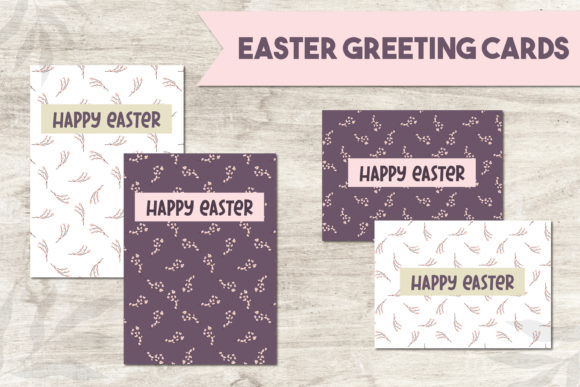
The primary strength of this Easter Printable Greeting Card lies in its editability. Unlike static JPEGs or PDFs that lock content, this template allows users to modify both the font and the background color. This feature is particularly valuable for businesses and individuals who adhere to strict brand guidelines. For instance, a marketing agency can swap the default typography for their client’s approved font family and adjust the background hue to match a specific campaign palette, all within minutes.
The availability of layered PSD and AI files empowers advanced users to deconstruct the design completely. You can isolate elements, add custom graphics, or restructure the layout while preserving the underlying hierarchy. For those using vector-based workflows, the EPS and SVG versions offer scalability without quality loss, making them suitable for larger format prints or integration into other vector projects. The PNG version, with its transparent background, is ideal for quick overlays in photo editing software or for creating composite designs where the card needs to sit atop another image.
For educators and parents, the process is simplified further. The editable nature allows for personalization, such as inserting names or specific messages. A teacher might create individual cards for students, changing the text field for each recipient while keeping the design consistent. This level of customization fosters a sense of connection and effort that mass-produced cards cannot replicate.
Practical Implementation Scenarios
Integrating this printable card into your routine requires minimal setup but yields significant returns in terms of relationship management and aesthetic presentation. Here is how it fits into various practical contexts:
- Small Business Client Appreciation: As Easter approaches, small business owners can use this card to send thank-you notes to loyal clients. By customizing the message and aligning the colors with their brand identity, they reinforce their professional presence. The high-resolution output ensures that the card looks polished when mailed, reflecting positively on the business’s attention to detail.
- Content Creator Engagement: Bloggers and influencers often seek ways to connect with their audience outside of social media feeds. Printing these cards and including them in subscription boxes or mailing lists adds a tactile element to digital interactions. The variety of file types allows creators to use the same asset for web previews (JPG/PNG) and physical mailings (PDF/PSD), streamlining their content creation process.
- Corporate Team Building: HR departments or team leads can utilize these cards for internal communications. They serve as a low-cost, high-impact way to boost morale during the spring season. Managers can personalize the inside text for direct reports, adding a layer of genuine appreciation that contributes to a positive workplace culture.
- Educational Activities: In a classroom setting, this resource supports arts and crafts lessons focused on digital literacy. Students can learn about file formats, resolution, and design principles by modifying the card themselves. The structured PSD file helps teachers guide students through the layers, teaching them how complex designs are built from simple components.
Quality Control and Preparation
Before proceeding to print, several preparatory steps ensure the best outcome. First, verify that your design software supports the specific file type you intend to use. If you are working in Adobe Illustrator, the AI or EPS files will provide the most control over vector elements. If you prefer Photoshop for photo manipulation, the PSD file is the optimal choice. Always open the file in a new document to avoid accidental edits to the original source.
Color management is the next critical step. Ensure your monitor is calibrated if possible, and check the color profile settings in your software. Since the file is in CMYK, converting it to RGB for screen preview should be done carefully, understanding that some vibrant colors may appear duller on paper. When selecting fonts, consider readability and licensing. If you replace the default font with a proprietary one, ensure you have the appropriate license for commercial use if the card is distributed publicly.
Printing logistics also play a role in efficiency. For home printing, use high-quality cardstock rather than standard printer paper. The weight and texture of the paper significantly impact the perceived value of the card. If outsourcing to a professional printer, upload the PDF or EPS files directly, as these formats preserve vector data and bleed settings accurately. Confirm with the printer that they accept files with 0.25-inch bleeds to prevent any trimming issues.
Long-Term Value and Organization
Investing in a versatile template like the Easter Printable Greeting Card offers long-term utility beyond the immediate holiday. Because the design is editable, it can be repurposed for other occasions with minor adjustments. Changing the text to "Happy Spring" or "Summer Solstice" transforms the asset for future seasons. This modularity reduces the need to purchase new templates annually, contributing to cost savings and sustainability.
Organization is key to maximizing this asset’s lifespan. Store the downloaded ZIP file in a dedicated folder labeled with the year and occasion. Keep backups in cloud storage to prevent data loss. Document any customizations you make, such as preferred fonts or color codes, so that future iterations maintain consistency. This systematic approach turns a simple greeting card into a reusable component of your broader design library.
In conclusion, the Easter Printable Greeting Card is more than a decorative item; it is a functional tool for effective communication. Its combination of high-resolution specifications, multiple file formats, and full editability makes it suitable for a wide range of professional and personal applications. By understanding its technical features and integrating it thoughtfully into your workflow, you can enhance your outreach efforts, strengthen relationships, and maintain a polished, professional image throughout the spring season. The ease of use, coupled with the potential for deep customization, ensures that this asset delivers immediate value and sustained relevance in your creative and business operations.